From Analog to Digital: How a HUD Transforms Your Dashboard Experience
Introduction
Remember the days when checking your speed meant glancing down at a cluster of analog needles? Those days are fading fast. The modern car heads-up display (HUD) projects critical driving data directly onto your windshield — keeping your eyes on the road and your mind focused on what matters most: safe, confident driving.
In this guide, we break down exactly how a HUD transforms your dashboard experience, what to look for when buying one, and why drivers worldwide are making the switch from analog to digital.
What Is a Car HUD?
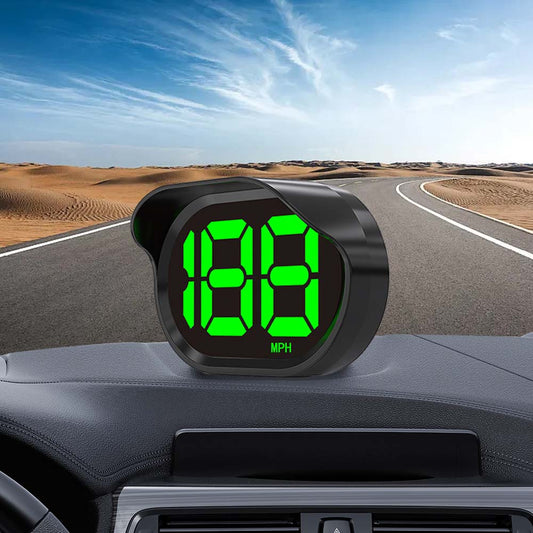
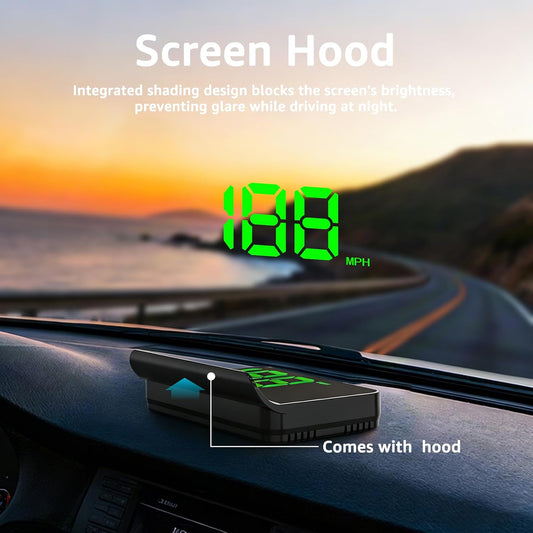
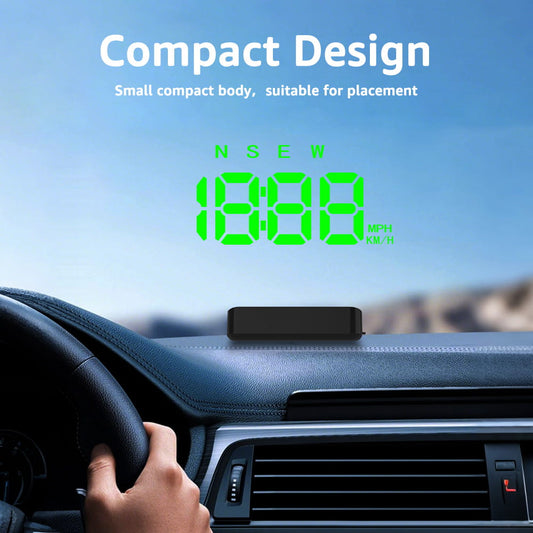
A heads-up display (HUD) is a transparent digital screen that projects real-time driving information — speed, navigation arrows, RPM, fuel level, engine warnings, and more — directly into your line of sight. Originally developed for military aircraft, HUD technology has evolved into an accessible, affordable upgrade for everyday vehicles.
Modern aftermarket HUDs connect via OBD-II port or GPS and display data on a reflective film or directly onto the windshield glass, eliminating the need to look away from the road.
Analog vs. Digital: Key Differences
Traditional analog dashboards rely on mechanical gauges and require the driver to shift their gaze downward — a split-second distraction that accounts for thousands of accidents annually.
Digital HUDs, by contrast, keep all critical information within your natural field of vision. Studies show that reducing eye movement between the road and dashboard can cut reaction time by up to 0.5 seconds — a significant margin at highway speeds.
What Data Can a HUD Display?
- Real-time vehicle speed (GPS or OBD-II sourced)
- Navigation turn-by-turn directions
- Engine RPM and gear position
- Fuel consumption and remaining range
- Engine fault codes and warning alerts
- Driving time and trip distance
- Overspeed alerts and fatigue reminders
Who Benefits Most from a Car HUD?
Daily commuters appreciate at-a-glance speed monitoring without distraction. Long-haul drivers and fleet operators rely on HUDs for fatigue alerts and fuel efficiency tracking. Performance and enthusiast drivers use HUDs to monitor RPM, boost pressure, and lap times. Navigation-dependent drivers benefit from integrated GPS turn prompts that eliminate the need to glance at a phone mount.
How to Choose the Right HUD for Your Vehicle
When selecting a HUD, consider the following:
- Data source: OBD-II HUDs pull live engine data; GPS HUDs work universally on any vehicle.
- Display brightness: Look for auto-dimming and high-nit displays for daytime visibility.
- Screen size: Larger displays (5"–7") offer more data at a glance without clutter.
- Installation: Plug-and-play OBD-II units take under 5 minutes; no tools required.
- Compatibility: Confirm OBD-II compatibility for vehicles manufactured after 1996.
Conclusion
The shift from analog gauges to a digital heads-up display isn't just a cosmetic upgrade — it's a meaningful improvement to driver safety, situational awareness, and overall driving confidence. Whether you're navigating city traffic or cruising on the highway, a quality HUD keeps you informed without pulling your attention away from the road.