How a Car HUD Changed My Daily Commute (And Why I'll Never Go Back)
Every morning, it was the same routine. Alarm goes off, coffee in hand, and then 45 minutes of stop-and-go traffic on the highway. I'd constantly glance down at my speedometer, squint at my phone mount for navigation, and wonder if that engine light that flickered last week meant anything serious.
I wasn't a bad driver. I was just a distracted one — like most of us.
Then I installed a car Head-Up Display. And honestly? My daily commute has never been the same.
Week One: The Learning Curve
I'll be honest — the first few days felt a little strange. Having speed and navigation data floating in my line of sight took some getting used to. My brain kept wanting to "look" at the display the way I'd look at a dashboard, but the whole point is that you don't have to look away at all.
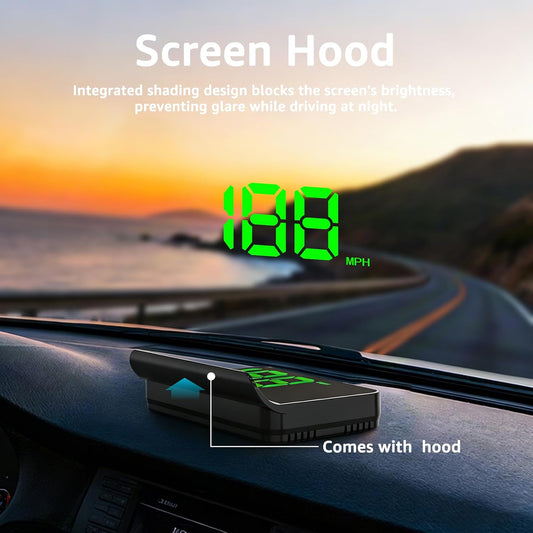
By day three, something clicked. I stopped consciously reading the HUD and started just... absorbing the information. Speed, upcoming turn, current time — all there, all the time, without a single glance downward.
The Moment I Knew It Was Worth It
It happened on a Tuesday morning. I was on the highway, doing about 68 mph in a 65 zone — nothing unusual. The HUD flashed an overspeed alert. I eased off the gas without even thinking about it.
Half a mile later, I passed a speed camera I hadn't noticed. No ticket. No stress.
That was the moment I stopped thinking of the HUD as a gadget and started thinking of it as a co-pilot.
What Changed About My Drive
I stopped looking down
Before the HUD, I checked my speedometer dozens of times per trip. Now I just know my speed — it's always in my peripheral vision. Studies suggest drivers look away from the road for an average of 2 seconds per dashboard glance. Over a 45-minute commute, that adds up to a lot of unnecessary risk.
Navigation became effortless
I used to have my phone mounted on the windshield, which meant my eyes were constantly darting between the road and a 6-inch screen. With the HUD projecting turn-by-turn arrows directly in my sightline, I barely have to think about navigation anymore. It just happens.
I caught an engine issue early
About a month after installing my OBD2 HUD, I noticed the coolant temperature reading was creeping higher than usual on my morning drive. Nothing alarming — but unusual. I took the car in that weekend. Turns out the coolant level was low and the thermostat was starting to fail. Caught early, it was a $120 fix. Left unchecked, it could have been a blown head gasket.
The HUD paid for itself that day.
My stress levels dropped
This one surprised me the most. I didn't expect a piece of tech to make me feel calmer behind the wheel. But having all the information I need right in front of me — without hunting for it — removes a layer of low-grade anxiety I didn't even know I had.
What I Use Now (And What I'd Recommend)
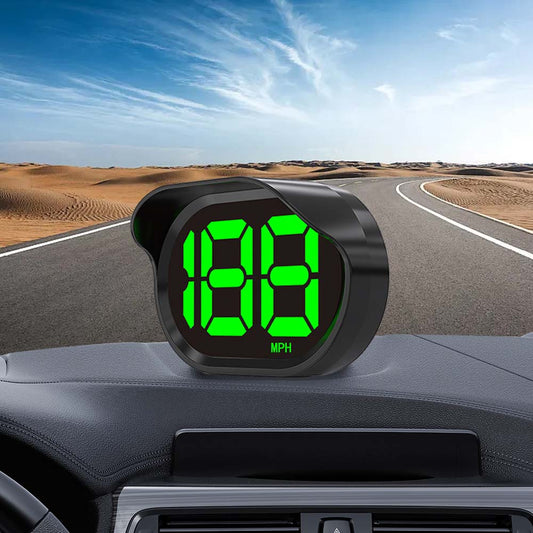
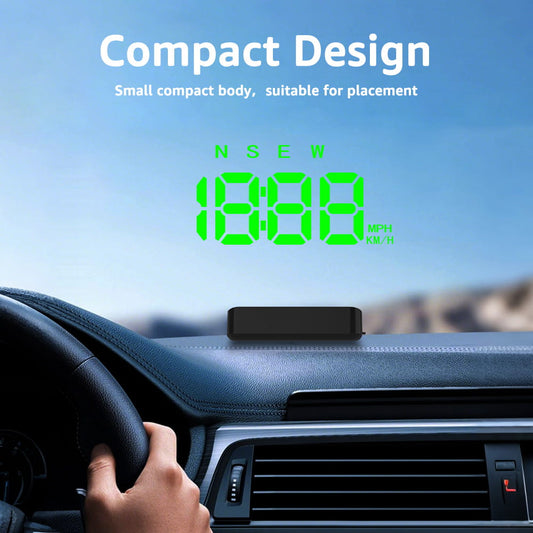
I started with a GPS HUD for the speed accuracy and navigation. After the coolant incident, I upgraded to an OBD2 model that also shows engine temperature, RPM, battery voltage, and fault codes. For my commute, it's the perfect setup.
If you're just starting out, a GPS HUD is a great entry point — simple, accurate, and plug-and-play. If you want deeper vehicle insight, go straight for an OBD2 or hybrid model.
Would I Go Back?
Not a chance.
Driving without a HUD now feels like driving without a rearview mirror — technically possible, but why would you? The information is there. The safety benefit is real. And once your brain adapts to having it, you'll wonder how you ever managed without it.
If you're on the fence, just try one for a week. I'd bet you'll feel the same way I do.
Ready to upgrade your commute? Explore our range of GPS and OBD2 Head-Up Displays — designed for drivers who want to stay informed, stay safe, and never look down again.