The Ultimate Guide to Speedometer Calibration for Every Driver
Why Speedometer Accuracy Matters
Your speedometer is one of the most critical instruments on your dashboard — yet most drivers never question its accuracy. An uncalibrated speedometer can lead to speeding tickets, failed vehicle inspections, and even dangerous driving decisions. Whether you've changed your tire size, installed a lift kit, or simply noticed your GPS speed doesn't match your dash reading, speedometer calibration is the fix you need.
What Causes Speedometer Inaccuracy?
Several factors can throw off your speedometer reading:
- Tire size changes — Larger or smaller tires than stock alter the number of wheel rotations per mile, directly affecting speed readings.
- Gear ratio modifications — Aftermarket differential gears change how the drivetrain translates wheel speed to the speedometer.
- Worn tires — As tread wears down, the effective rolling diameter decreases, causing slight over-reading.
- Factory tolerances — Most OEM speedometers are calibrated to read slightly high (up to 5%) by design for legal safety margins.
How to Check If Your Speedometer Needs Calibration
The easiest method is to compare your dashboard speed against a GPS-based speedometer. GPS devices measure your actual ground speed using satellite data, making them the most accurate reference available. If there's a consistent gap of more than 2–3 mph, calibration is recommended.
You can also use highway mile markers: time yourself over a known distance and calculate your actual speed versus what your dash shows.
How to Calibrate Your Speedometer
Method 1: GPS Speedometer Calibration
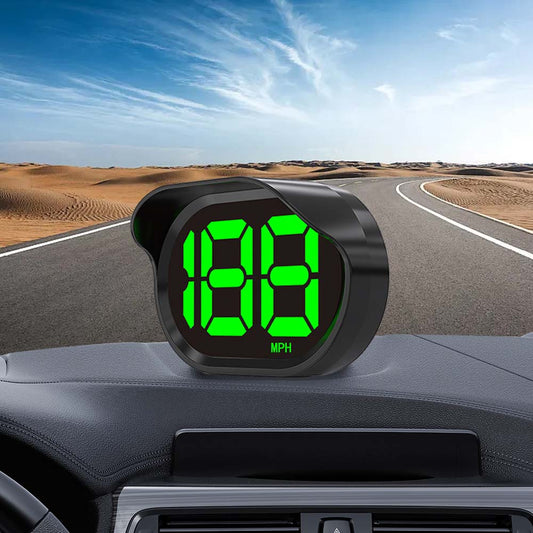
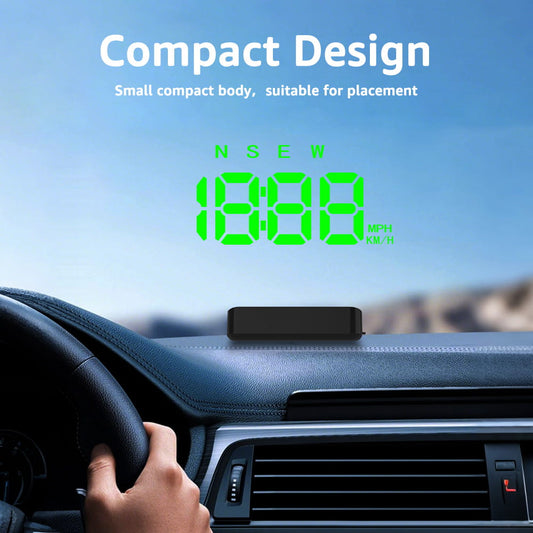
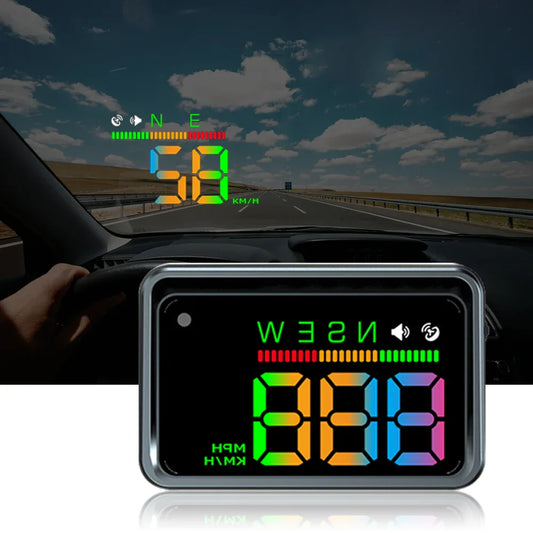
A GPS Speedometer like those in our product lineup shows your real-time GPS speed directly on your windshield. This doesn't recalibrate your factory speedometer, but gives you a highly accurate secondary reference at all times — no tools required.
Method 2: Electronic Speedometer Recalibration
Many modern vehicles allow speedometer recalibration through the OBD-II port using a handheld programmer or tuning device. This method permanently adjusts the vehicle's ECU to reflect the correct speed based on your current tire and gear setup.
Method 3: Mechanical Speedometer Adjustment
Older vehicles with cable-driven speedometers may require a physical gear swap in the transmission or transfer case. This is best handled by a qualified mechanic.
GPS Speedometer vs. Factory Speedometer: Which Should You Trust?
For everyday driving accuracy, a GPS Speedometer is the most reliable tool. Factory speedometers are subject to manufacturing tolerances and wear, while GPS speed is calculated from satellite positioning with near-zero error. Our GPS Speedometer devices display speed, heading, altitude, and more — giving you a complete picture of your vehicle's dynamics in real time.
Tips for Maintaining Speedometer Accuracy Long-Term
- Always recalibrate after changing tire size or gear ratios.
- Use a GPS Speedometer as a permanent accuracy reference.
- Check your speedometer annually during vehicle inspections.
- Keep tire pressure at the recommended PSI — under-inflation reduces rolling diameter and affects readings.
Final Thoughts
Speedometer calibration isn't just about passing inspections — it's about driving with confidence and precision. Whether you rely on a GPS Speedometer for real-time accuracy or recalibrate your factory instrument, knowing your true speed keeps you safe, legal, and in control.
Explore our range of GPS Heads-up Display and GPS Speedometers designed for precise, always-on speed monitoring — no calibration headaches required.