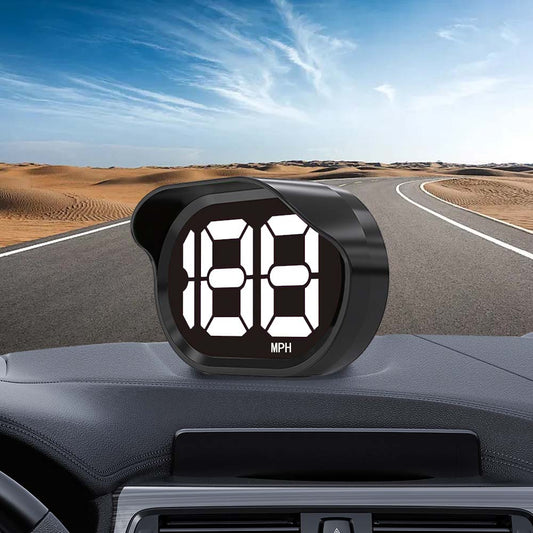
Fix Inaccurate Speed Readings with a GPS Digital Speedometer
Is Your Speedometer Lying to You?
Most drivers assume their car's built-in speedometer is accurate — but the truth is, factory speedometers can be off by 5–10% or more. Tire wear, tire size changes, and aging sensors all contribute to inaccurate speed readings. The result? Unexpected speeding tickets, poor fuel tracking, and a false sense of how fast you're actually going.
A GPS digital speedometer solves this problem at the source — by calculating your real-time speed directly from satellite data, not from your wheels or drivetrain.
Why Factory Speedometers Are Often Inaccurate
Your stock speedometer measures speed by counting wheel rotations and multiplying by the tire's circumference. This works fine under ideal conditions, but accuracy degrades when:
- Tires are worn — smaller diameter means the speedometer reads high
- You've changed tire size — aftermarket or seasonal tires alter the calibration
- The VSS sensor ages — the vehicle speed sensor can drift over time
- You're towing or loaded — added weight compresses tires, changing effective diameter
Even a 5% error at 60 mph means you're actually doing 63 mph — enough to trigger a speed camera.
How a GPS Digital Speedometer Works
GPS speedometers use signals from multiple satellites to calculate your position multiple times per second. By comparing position changes over time, they derive your true ground speed — completely independent of your vehicle's mechanical systems.
Key advantages:
- Satellite-accurate readings — typically within ±1 mph of true speed
- No calibration needed — works correctly regardless of tire size or wear
- Works in any vehicle — no OBD port or wiring required for most models
- Real-time display — speed updates multiple times per second
GPS vs OBD Digital Speedometers: Which Is More Accurate?
OBD-based speedometers pull data from your car's ECU — which means they inherit the same inaccuracies as your factory speedometer. GPS speedometers bypass this entirely, making them the more accurate choice for drivers who want true ground speed.
That said, OBD units can display additional vehicle data (RPM, engine temp, fault codes) that GPS-only units cannot. For pure speed accuracy, GPS wins every time.
What to Look for in a GPS Digital Speedometer
Not all GPS speedometers are equal. Here's what matters:
- Update rate — look for 10Hz or higher for smooth, responsive readings
- Display brightness — must be readable in direct sunlight
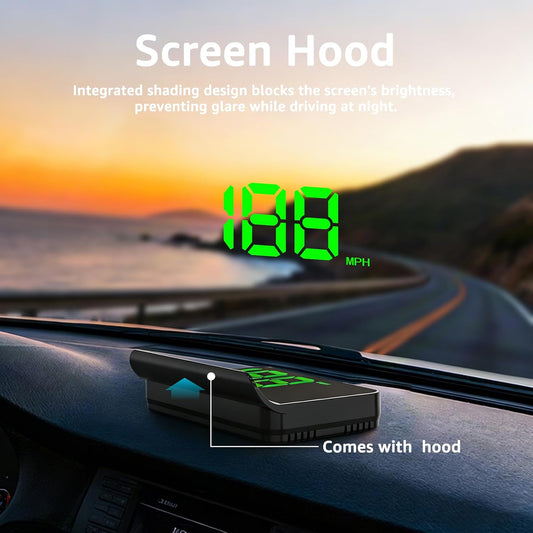
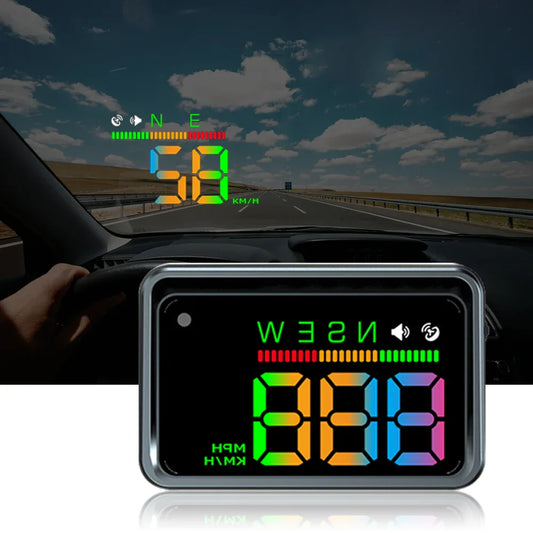
- HUD vs dashboard mount — HUD projection keeps your eyes on the road
- Speed alert — audible or visual warning when you exceed a set limit
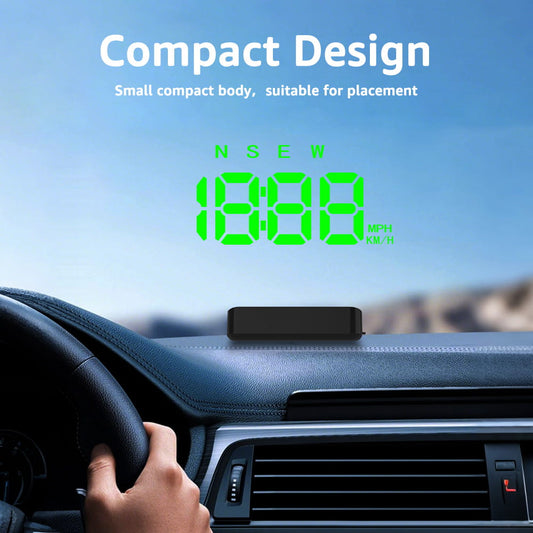
- Compact design — minimal dashboard footprint for a clean install
The Bottom Line
If you've ever been caught speeding when you thought you were within the limit, or if you've changed your tires and noticed your speedometer feels off — a GPS digital speedometer is the most reliable fix available. It's a simple, plug-and-play upgrade that gives you confidence in every reading, every drive.
Explore our range of GPS digital speedometers and HUD displays — engineered for accuracy, built for the modern driver.
Cover image generated by AI for illustrative purposes only.