Is a Digital Speedometer Display Worth It? Complete Buyer's Guide
A digital speedometer display is becoming more common in modern vehicles and aftermarket car accessories. Instead of relying on traditional analog gauges, drivers can see their speed, driving data, and other key information on a clear digital screen—often using GPS-based technology.
But is it actually worth it? Let’s break it down in a simple, practical way so you can decide if a digital speedometer display is right for your vehicle.
What Is a Digital Speedometer Display?
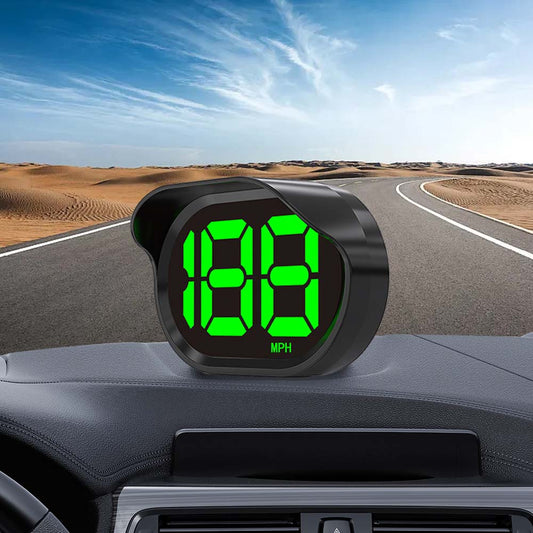
A digital speedometer display is an electronic device that shows your driving speed in numbers rather than a moving needle.
There are two main types:
- Factory-installed digital dashboards (built into newer cars)
- Aftermarket GPS speedometers (portable devices you can add to any vehicle)
Most modern aftermarket models use GPS signals instead of the car’s internal sensors, which means they work in almost any vehicle—cars, trucks, SUVs, and even older models.
How Does It Work?
Most digital speedometers use GPS satellites to calculate your real-time speed based on movement and distance.
Here’s what they typically do:
- Track your vehicle’s movement via GPS
- Calculate accurate speed in real time
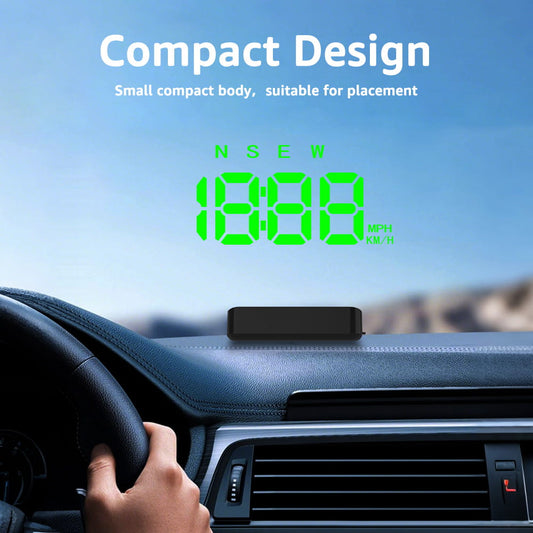
- Display speed in MPH or KM/H
- Provide extra data like altitude, time, direction, and driving alerts
Because it doesn’t rely on wheel sensors or vehicle wiring, it’s easy to install and highly versatile.
Benefits of a Digital Speedometer Display
1. Easier to Read While Driving
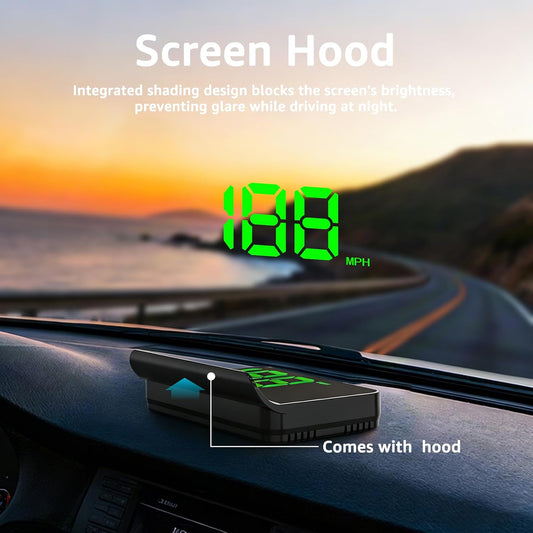
Large digital numbers are easier to glance at compared to analog needles, especially at night or high speeds.
2. Improved Driving Safety
Many drivers find it safer because they spend less time looking away from the road.
3. Works in Any Vehicle
GPS-based models can be used in older cars, rental vehicles, trucks, or even boats.
4. Extra Driving Information
Some models include:
- Compass direction
- Driving time
- Speed alarms
- Fatigue reminders
- Altitude tracking
5. Simple Installation
Most aftermarket units are plug-and-play—no complex wiring required.
Possible Downsides
While useful, digital speedometer displays aren’t perfect:
- GPS delay in tunnels or underground parking
- Sunlight glare on cheaper screens
- Extra device on dashboard may clutter space
- Some models require USB or power connection
However, for most everyday driving, these issues are minor.
Who Should Consider One?
A digital speedometer display is especially useful for:
- Drivers of older vehicles without digital dashboards
- Long-distance commuters
- Truck and rideshare drivers
- Safety-conscious drivers
- People who want better visibility at night
If you rely heavily on accurate, real-time speed tracking, it can make driving more convenient and safer.
Is It Worth It?
Yes—for most drivers, a digital speedometer display is worth it, especially if:
- Your current speedometer is hard to read
- You drive frequently or long distances
- You want added safety and driving data
- You prefer modern, easy-to-read displays
However, if your car already has a clear, reliable digital dashboard, the upgrade may be less necessary.
Final Thoughts
A digital speedometer display is a simple but effective upgrade that improves visibility, convenience, and safety. It won’t transform your car completely, but it can make everyday driving more comfortable and informed.
For many drivers, that small improvement is exactly what makes it worth the investment.