Metric Speedometer Reading Explained: How GPS Digital Speedometers Display Accurate km/h Speeds
For drivers around the world, understanding speed readings is essential for safe and confident driving. While many vehicles use traditional analog speedometers, modern drivers are increasingly choosing GPS digital speedometers for clearer and more accurate speed information. These devices display speed in kilometers per hour (km/h), making them especially useful in countries that use the metric system.
But how does a GPS speedometer calculate your speed? Why can it be more accurate than a vehicle’s built-in speedometer? In this guide, we’ll explain how metric speedometer readings work and how GPS technology provides real-time km/h speed data.
What Is a Metric Speedometer Reading?
A metric speedometer reading shows vehicle speed using kilometers per hour (km/h) instead of miles per hour (mph).
For example:
- 50 km/h means the vehicle travels 50 kilometers in one hour.
- 100 km/h means the vehicle travels 100 kilometers in one hour.
Many countries, including most of Europe, Canada, Australia, and many parts of Asia, use km/h as the standard speed measurement. A digital speedometer with metric settings allows drivers to view speed in a familiar format without converting from mph.
How Does a GPS Digital Speedometer Measure Speed?
Unlike traditional speedometers that rely on wheel sensors, GPS digital speedometers calculate speed by communicating with GPS satellites.
The process works like this:
-
GPS signal connection
The device receives signals from multiple GPS satellites orbiting the Earth. -
Position tracking
The GPS system continuously calculates the vehicle’s location and movement between points. -
Speed calculation
By measuring how far the vehicle moves over a specific time period, the device calculates the current speed. -
Real-time km/h display
The calculated speed is converted into kilometers per hour and displayed instantly on the digital screen.
This technology allows GPS speedometers to provide smooth and reliable speed information without needing to connect to the vehicle’s internal system.
Why Are GPS Speedometers Accurate?
A GPS speedometer can provide highly accurate readings because it measures actual movement rather than estimating speed through wheel rotation.
Traditional vehicle speedometers may have small differences because of:
- Tire size changes
- Tire pressure variations
- Different wheel sizes
- Factory calibration settings
For example, installing larger aftermarket tires can slightly change how a vehicle’s speedometer reads. A GPS speedometer measures movement using satellite positioning, helping provide a more direct speed calculation.
km/h vs mph: Understanding the Difference
The main difference between metric and imperial speed measurements is the unit used.
| Measurement | Unit | Commonly Used In |
|---|---|---|
| Metric speed | km/h (kilometers per hour) | Europe, Canada, Australia, Asia |
| Imperial speed | mph (miles per hour) | United States, United Kingdom (road signs vary) |
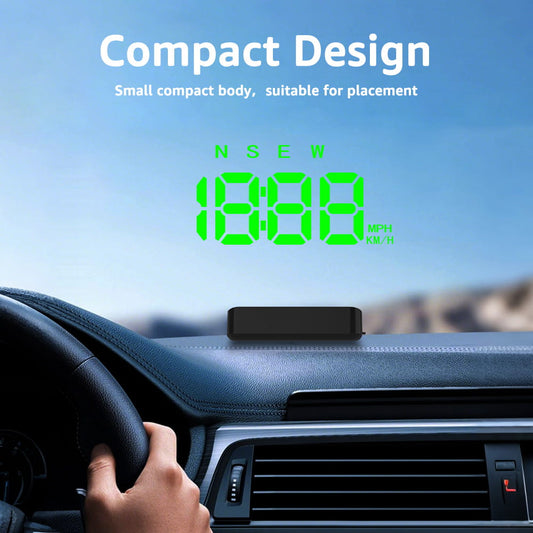
A GPS digital speedometer can usually switch between km/h and mph, allowing drivers to select the measurement system that matches their location.
Benefits of Using a Digital km/h Speedometer
1. Clear and Easy-to-Read Display
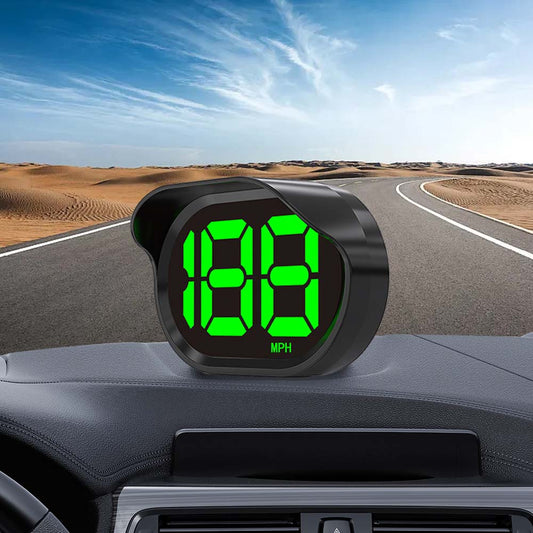
A digital speedometer shows large numbers that are easy to read at a glance. This helps drivers quickly check their speed without focusing on small dashboard markings.
2. Real-Time Speed Updates
GPS technology continuously updates speed information, providing drivers with live km/h readings while driving.
3. Useful for Older Vehicles
Some classic cars, older vehicles, or imported cars may have outdated or inaccurate speedometers. A GPS speedometer provides a modern solution without requiring complicated modifications.
4. Easy Installation
Most GPS digital speedometers are designed for plug-and-play installation. They typically only require a power connection and a clear view of the sky to receive GPS signals.
How to Choose the Right GPS Digital Speedometer
When selecting a GPS speedometer, consider these important features:
km/h and mph Switching
Choose a model that supports both metric and imperial units if you travel internationally or drive in different regions.
Bright Digital Display
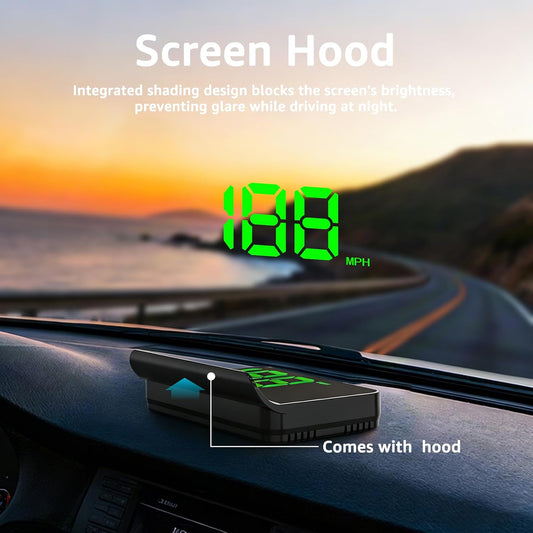
A clear display helps you read speed during both daytime and nighttime driving.
Fast GPS Signal Acquisition
A quality GPS speedometer should quickly connect to satellites and maintain stable speed updates.
Additional Driving Information
Many modern GPS speedometers provide extra features such as:
- Speed alarms
- Driving time
- Compass direction
- Altitude display
- Fatigue driving reminders
These features can make driving more convenient and safer.
Do GPS Speedometers Work Without Internet?
Yes. GPS digital speedometers do not require mobile data or Wi-Fi to calculate speed. They receive signals directly from GPS satellites, allowing them to work anywhere with a clear satellite connection.
Are GPS Speedometers Suitable for All Vehicles?
GPS speedometers are compatible with most cars, trucks, SUVs, and motorcycles. They are especially helpful for:
- Vehicles with inaccurate factory speedometers
- Classic cars without modern digital displays
- Imported vehicles with different speed units
- Drivers who prefer a larger digital speed reading
Upgrade Your Driving Experience with a GPS Metric Speedometer
A clear and accurate speed display can make every drive easier. A GPS digital speedometer with km/h reading provides real-time speed information, simple installation, and improved visibility compared with traditional dashboard gauges.
Whether you drive a modern vehicle or an older model, a digital speedometer offers a convenient way to monitor your speed and enjoy a more confident driving experience.
Explore reliable GPS speedometer solutions from KUOWEIHUD, including digital speedometers and HUD displays designed for clear km/h and mph speed readings.