OBD2 Gauge Display vs Traditional Car Gauges: Which Is Better?
Modern drivers want more information from their vehicles than just speed and fuel level. That is why OBD2 gauge displays have become a popular upgrade for drivers who want real-time vehicle data without replacing the original dashboard. But how do they compare with traditional car gauges?
What Is an OBD2 Gauge Display?
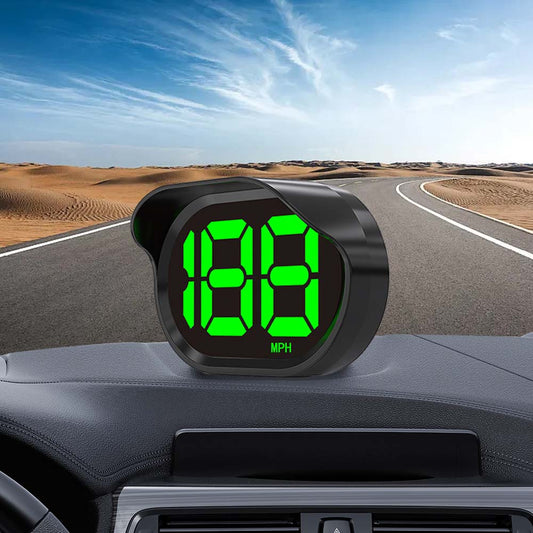
An OBD2 gauge display connects directly to a vehicle’s OBD2 port and reads information from the car’s onboard computer. Depending on the vehicle and device, it can display data such as speed, RPM, coolant temperature, battery voltage, fuel consumption, trip distance, and diagnostic information.
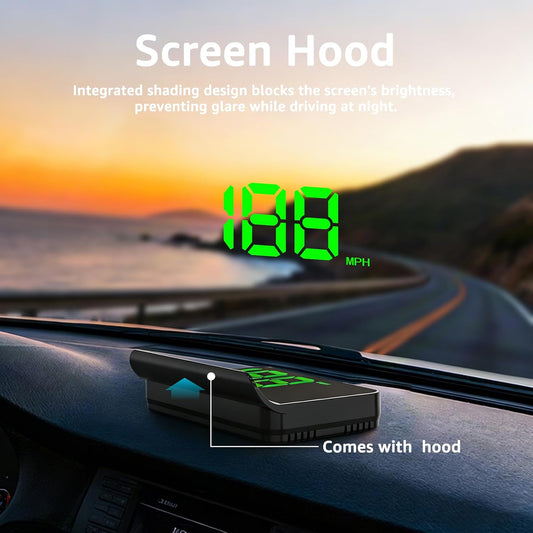
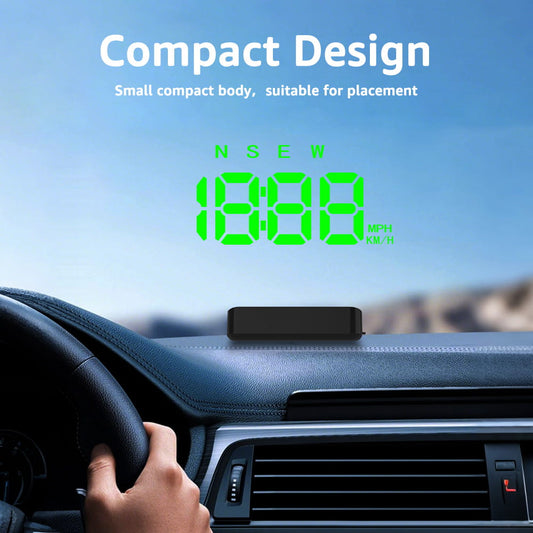
Products like the KUOWEIHUD F3 OBD2 Gauge Display combine several types of vehicle data on one compact digital screen, making it easier to monitor important driving information at a glance.
What Are Traditional Car Gauges?
Traditional car gauges are the instruments already installed in the vehicle dashboard. Common gauges include the speedometer, tachometer, fuel gauge, and engine temperature gauge.
They are reliable and easy to understand, but many vehicles only display basic information. Older cars in particular may not provide detailed engine or electrical data without additional equipment.
OBD2 Gauge Display vs Traditional Gauges
The biggest advantage of an OBD2 gauge display is the amount of information available in one place. Instead of installing multiple individual gauges, one digital display can monitor several parameters.
An OBD2 display is also usually easier to install. Many models use a plug-and-play connection, so users simply connect the cable to the OBD2 port and position the screen on the dashboard or windshield.
Traditional gauges, however, have the advantage of being fully integrated into the vehicle. They require no additional device and are designed specifically for that car. For drivers who only need basic information such as speed and fuel level, the factory dashboard may already be enough.
Which Is Better for Daily Driving?
For drivers who want more detailed information, an OBD2 gauge display offers greater flexibility. Being able to see RPM, voltage, coolant temperature, mileage, and other data can make it easier to understand how the vehicle is performing.
It can also be useful in older vehicles where the original instrument cluster provides limited information.
Traditional gauges remain the simplest option because they are always available and require no setup. However, they cannot usually match the range of data offered by a modern OBD2 display.
Final Thoughts
There is no need to completely replace traditional gauges. An OBD2 gauge display works best as an additional source of vehicle information.
For drivers looking for a compact and convenient dashboard upgrade, the KUOWEIHUD F3 OBD2 Gauge Display provides real-time driving data in one easy-to-read screen. With information such as speed, RPM, voltage, coolant temperature, and odometer data available at a glance, it can make everyday vehicle monitoring more convenient.
If you want more information from your car without making major dashboard modifications, an OBD2 gauge display can be a practical upgrade.