Still Using an Old Dashboard? How a GPS Speedometer Can Modernize Your Vehicle
Introduction: Your Car May Be Older, But Your Driving Experience Doesn’t Have to Be
Many drivers love their older vehicles for their reliability, comfort, and character. Whether it’s a classic car, an older SUV, a truck, or a daily commuter from a previous generation, a well-maintained vehicle can still deliver years of dependable service.
However, one area where older vehicles often fall behind is dashboard technology. Traditional analog speedometers may lack the accuracy, visibility, and smart features that modern drivers expect. Limited information displays, outdated instrument clusters, and poor visibility at night can make driving less convenient and less enjoyable.
Fortunately, upgrading your dashboard doesn’t require replacing your vehicle. A GPS speedometer is a simple plug-and-play solution that brings modern digital technology to almost any car.


What Is a GPS Speedometer?
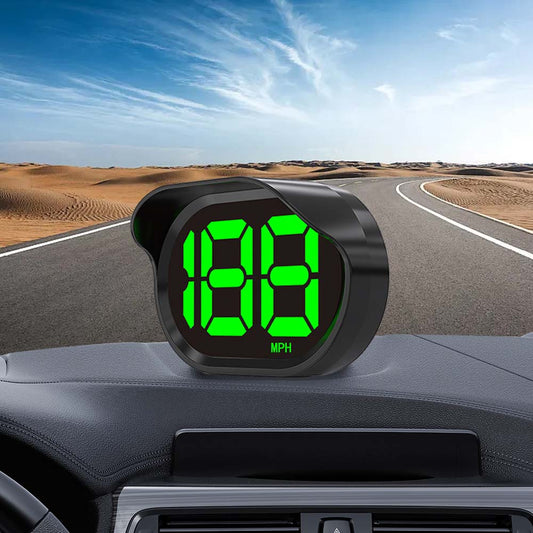
A GPS speedometer is a digital display device that uses satellite positioning technology to measure your vehicle’s speed. Unlike traditional speedometers that rely on mechanical sensors or vehicle systems, GPS speedometers calculate speed based on real-time GPS data.
This makes them especially useful for:
- Older vehicles with inaccurate speedometers
- Classic cars without modern electronics
- Vehicles with modified tires or wheels
- Cars where the factory speedometer has worn out
- Drivers who want a cleaner, smarter dashboard
With easy installation, many GPS speedometers can be placed on the dashboard or windshield and powered through a simple USB or 12V connection.
Why Upgrade an Old Dashboard?
1. More Accurate Speed Information
Older speedometers can become inaccurate over time due to:
- Tire size changes
- Aging mechanical components
- Sensor problems
- Calibration issues
A GPS speedometer measures speed directly through satellite signals, helping provide a more accurate reading without complicated installation.
For drivers who frequently travel on highways, accurate speed information can help maintain safer driving habits and avoid unintended speeding.
2. Add Modern Digital Display Technology
Modern vehicles feature large digital screens, bright displays, and easy-to-read information. Older dashboards often feel outdated by comparison.
A GPS speedometer instantly adds a modern look with features such as:
✓ Digital speed display
✓ Bright LED screen
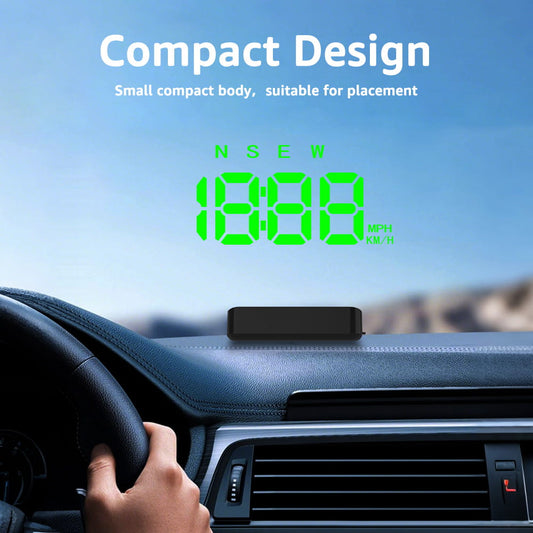
✓ MPH/KM/H switching
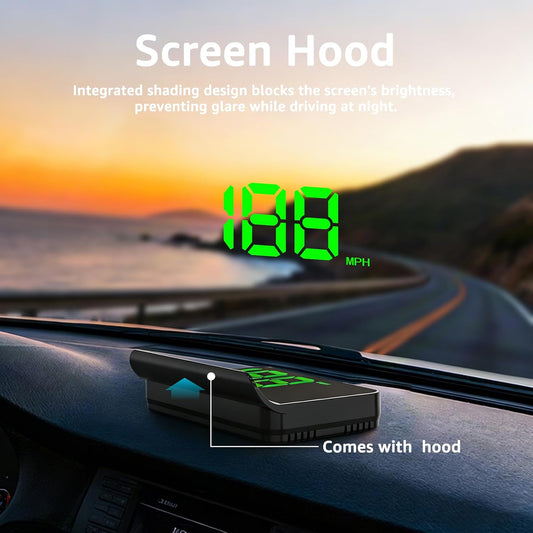
✓ Night and daytime visibility
✓ Clean minimalist dashboard design
It’s an affordable way to give your vehicle a technology upgrade without changing the original interior.
3. Improve Driving Safety
A clear speed display helps drivers stay focused on the road.
Many GPS speedometers include helpful safety features such as:
- Overspeed alerts
- Adjustable speed warnings
- Driving time reminders
- Automatic brightness adjustment
These features are especially useful during:
- Long highway trips
- Road travel
- Night driving
- Daily commuting
A simple reminder can help drivers maintain better awareness behind the wheel.
4. Perfect for Classic Cars and Older Vehicles
Classic vehicles often have unique dashboards that owners want to preserve. Installing a permanent aftermarket instrument cluster may require wiring changes or modifications.
A GPS speedometer offers a non-invasive alternative.
Benefits for classic and older vehicles:
- No complicated wiring
- No need to replace the original dashboard
- Easy installation and removal
- Keeps the original interior style
- Adds modern driving convenience
Whether you drive a vintage Mustang, an old pickup truck, an RV, or a classic European vehicle, a GPS speedometer can provide the technology your vehicle was missing.
5. A Better Solution for Modified Vehicles
Vehicle modifications can affect speedometer accuracy.
Common examples include:
- Larger wheels
- Different tire sizes
- Suspension upgrades
- Engine swaps
When the original speedometer no longer matches actual speed, a GPS speedometer provides an independent speed measurement solution.
GPS Speedometer vs Traditional Speedometer
| Feature | Traditional Speedometer | GPS Speedometer |
|---|---|---|
| Speed measurement | Vehicle sensor/mechanical system | GPS satellite data |
| Installation | Built into vehicle | Plug and play |
| Accuracy after modifications | May change | Remains consistent |
| Digital display | Limited | Yes |
| Overspeed alerts | Usually unavailable | Available on many models |
| Vehicle compatibility | Model-specific | Works with most vehicles |
How to Install a GPS Speedometer
One of the biggest advantages of a GPS speedometer is easy installation.
Typical installation steps:
Step 1: Place the Display
Mount the device on your dashboard or windshield where it is easy to see.
Step 2: Connect Power
Plug the device into a USB port or 12V power outlet.
Step 3: Wait for GPS Signal
After powering on, the device connects to GPS satellites automatically.
Step 4: Customize Settings
Adjust:
- Speed units (MPH/KM/H)
- Brightness
- Speed warning settings
- Display preferences
No professional installation is usually required.
Turn Your Old Car Into a Smarter Vehicle
Modernizing your vehicle doesn’t always mean buying a new car. Small upgrades can significantly improve your daily driving experience.
A GPS speedometer provides:
✓ Modern digital dashboard style
✓ Accurate speed readings
✓ Better visibility
✓ Added safety reminders
✓ Easy installation
✓ Compatibility with many vehicles
It’s one of the simplest ways to combine classic vehicle ownership with modern driving technology.
Final Thoughts
Older vehicles have personality, reliability, and memories that newer cars cannot replace. But outdated dashboard technology doesn’t have to be part of the experience.
A GPS speedometer gives your vehicle a smart upgrade while keeping its original character intact. Whether you drive a classic car, an older truck, or simply want a more advanced dashboard, this small device can make every journey safer, easier, and more enjoyable.
Upgrade your dashboard. Keep your vehicle’s story. Drive with modern confidence.