What Is a Head-Up Display (HUD) in a Car? A Complete Beginner’s Guide
Driving today is more advanced than ever. Cars are no longer just mechanical machines—they’re becoming smart, connected systems designed to improve safety and convenience. One of the most useful innovations in modern driving is the Head-Up Display (HUD).
If you’ve ever wondered what a HUD in a car actually is and whether it’s worth having, this guide will explain everything in simple terms.
What Is a Head-Up Display (HUD) in a Car?
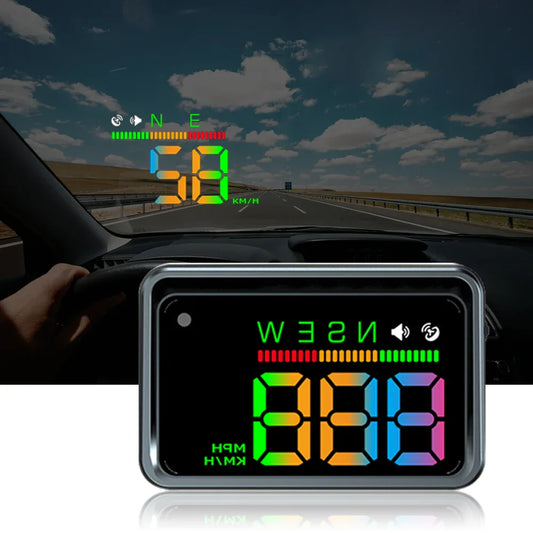
A Head-Up Display (HUD) is a transparent digital screen that shows important driving information directly in your line of sight—usually on the windshield or a small display panel near it.
Instead of looking down at your dashboard, a HUD projects key data so you can keep your eyes on the road.
Common information shown includes:
- Vehicle speed
- Navigation directions
- Fuel or battery status
- Warning alerts
- Driving time or trip data
In short, a HUD helps you stay informed without taking your attention away from driving.
How Does a Car HUD Work?
A HUD system works by taking digital information from your vehicle’s onboard systems or GPS and projecting it onto a reflective surface.
There are two main types:
1. Built-in OEM HUD
These are factory-installed systems found in higher-end vehicles. They project images directly onto the windshield.
2. Aftermarket HUD Devices
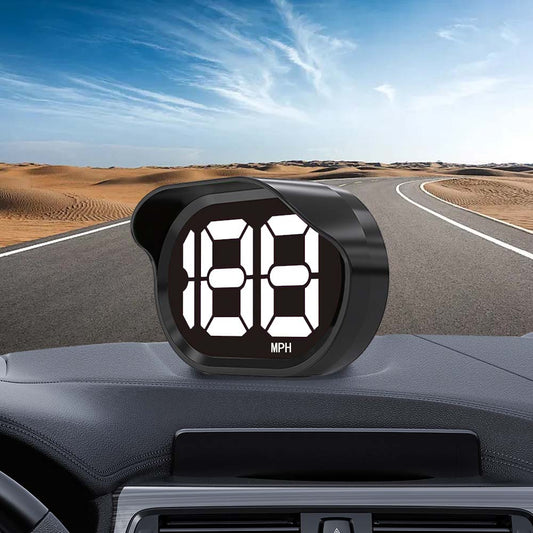
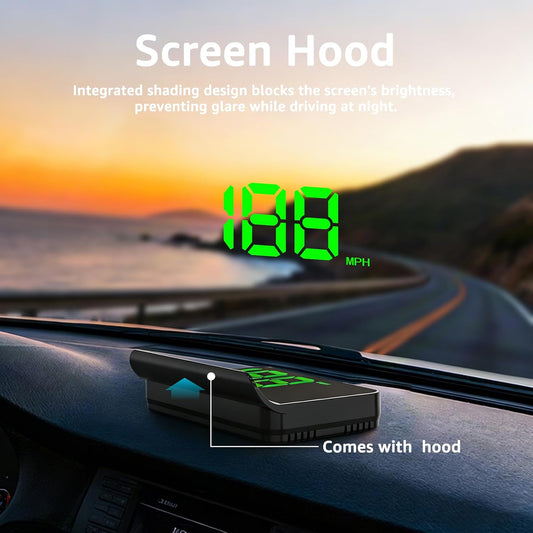
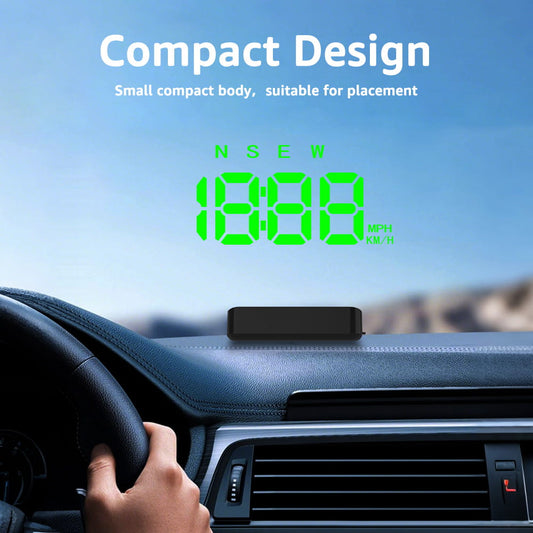
These are external devices that sit on your dashboard and project data onto a small screen or reflective film.
Aftermarket options are popular because they are:
- More affordable
- Easy to install (often plug-and-play)
- Compatible with most vehicles
Why Is a Head-Up Display Useful?
The main benefit of a HUD is safety.
1. Keeps Your Eyes on the Road
Instead of constantly glancing down at your dashboard, you can see speed and alerts right in front of you.
2. Reduces Distraction
Less eye movement means better focus, especially in traffic or on highways.
3. Improves Driving Awareness
Real-time speed and navigation help you make quicker decisions.
4. Helpful for Long Drives
HUDs can display fatigue reminders, travel time, and compass directions to reduce driving stress.
What Information Can a HUD Show?
Depending on the system, a HUD may display:
- Current speed (GPS-based or OBD-based)
- Driving direction (compass)
- Trip distance
- Time and date
- Speed warnings
- Altitude (on GPS HUDs)
- Fatigue driving alerts
More advanced systems even include overspeed alarms and navigation prompts.
Who Should Use a HUD?
A head-up display is useful for almost any driver, but it’s especially helpful for:
- Highway drivers who want to monitor speed easily
- New drivers who need better focus and awareness
- Long-distance travelers
- Ride-share or taxi drivers
- Safety-conscious drivers
Is a Car HUD Worth It?
For most drivers, yes.
A HUD doesn’t replace your dashboard—it enhances it. The main value is reducing distraction and improving reaction time.
If you drive frequently or care about safety and convenience, a HUD is a small upgrade that can make a noticeable difference.
Final Thoughts
A Head-Up Display (HUD) is one of the simplest yet most effective driving upgrades available today. By projecting key information directly into your line of sight, it helps you stay focused, informed, and safer on the road.
Whether factory-installed or aftermarket, HUD technology is quickly becoming a standard feature in modern driving.