Why Your Car's Built-In Speedometer Isn't Accurate Enough
Introduction
Most drivers assume the speedometer on their dashboard is telling the truth. After all, it came with the car — it must be accurate, right? The reality is more complicated. Factory-installed speedometers are engineered to overestimate your speed, and the gap between what your dashboard shows and your actual speed can be surprisingly large. Here's why that happens — and what you can do about it.
How Factory Speedometers Work
Your car's built-in speedometer measures speed mechanically or electronically by counting wheel rotations per minute and multiplying by the wheel's circumference. It sounds precise, but this calculation is based on assumptions — specifically, the tire size your vehicle was originally fitted with. Change any variable, and the accuracy changes too.
Why Factory Speedometers Are Intentionally Inaccurate
This isn't a flaw — it's by design. Automotive regulations in most countries (including the US, EU, and UK) actually require speedometers to overread, never underread. The legal tolerance under EU standards, for example, allows a speedometer to read up to 10% + 4 km/h above actual speed, but never below it.
Manufacturers build in this positive bias deliberately to protect themselves from liability. If your speedometer underreads and you get a speeding ticket, that's a legal problem for the automaker. So they err on the side of showing you a higher number than reality.
In practice, most factory speedometers read 3–8% higher than your true speed. At 60 mph indicated, you may actually be doing 55–58 mph.
Factors That Make It Worse
Even if your speedometer was accurate when the car left the factory, several common changes can throw it further off:
- Tire size changes — Fitting larger or smaller tires than the OEM spec directly affects the wheel rotation count, skewing speed readings.
- Tire wear — As tires wear down, their effective rolling diameter shrinks, causing the speedometer to read slightly high over time.
- Wheel and rim upgrades — Aftermarket wheels with different offsets or sizes can compound the error.
- Recalibration after repairs — Not all shops recalibrate the speedometer after suspension or drivetrain work.
The Real-World Consequences
You might think a few mph of error doesn't matter. But consider these scenarios:
- Speed camera enforcement — Traffic cameras measure your actual speed via radar or laser, not your dashboard reading. If you're relying on your speedometer to stay just under the limit, you may have less margin than you think.
- Fuel efficiency — Driving slower than you think means your fuel economy calculations are off. Your trip computer may be giving you inaccurate MPG figures as a result.
- Off-road and trail driving — In terrain where precise speed control matters, a biased speedometer can affect traction management and safety.
- Fleet and commercial compliance — Drivers accountable for speed logs and tachograph data need accurate readings, not factory-biased ones.
GPS Speedometers: The Accurate Alternative
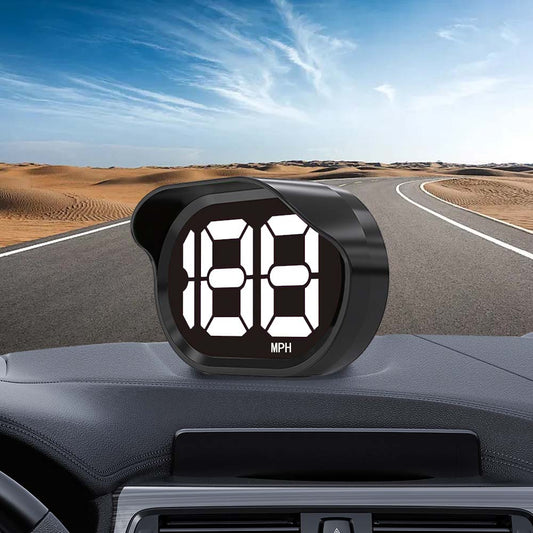
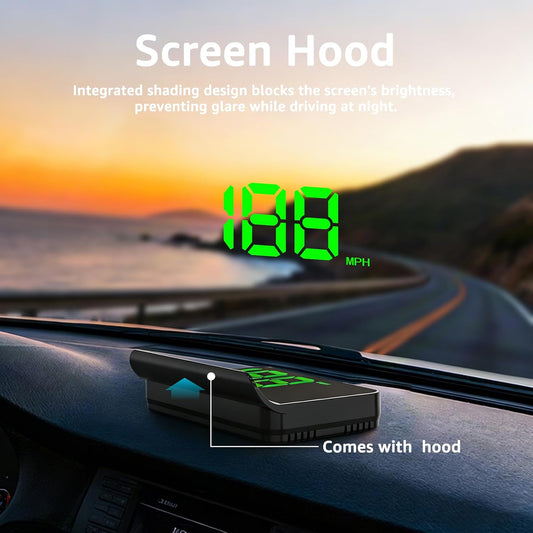
A GPS-based digital speedometer calculates your speed using satellite positioning — the same technology used by aviation, maritime navigation, and professional motorsport. It measures how fast you're actually moving across the ground, independent of tire size, wear, or mechanical calibration.
The result: GPS speed readings are typically accurate to within ±1 mph, far tighter than any factory speedometer.
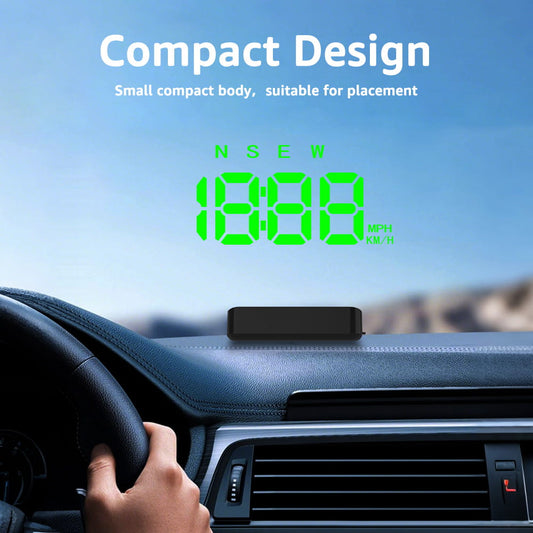
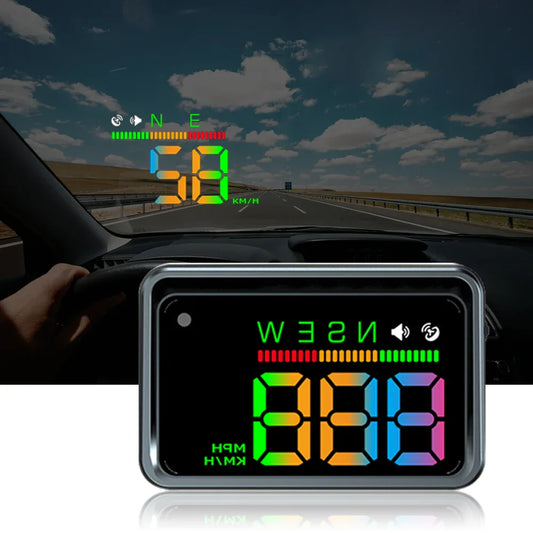
Modern GPS speedometers like the KUOWEIHUD range also offer:
- Speed alerts when you exceed a set limit
- MPH / KM/H switching for international driving
- Real-time clock display
- Compass
- Odometer and trip distance tracking
Should You Replace or Supplement Your Factory Speedometer?
You don't need to replace your factory instrument cluster. A dashboard-mounted GPS speedometer works alongside your existing setup, giving you a verified second reading you can trust. Many drivers use it as their primary speed reference and treat the factory gauge as a backup.
For drivers who've changed their tire size, upgraded their wheels, or simply want to know their true speed at all times, a GPS speedometer is one of the most practical and affordable upgrades available.
Final Thoughts
Your factory speedometer isn't broken — it's just not designed for precision. It's designed for legal compliance and liability protection, which means it's built to show you a number that's slightly higher than reality. For most everyday driving, that's fine. But if you want to know exactly how fast you're going — whether for safety, compliance, or simply peace of mind — a GPS speedometer gives you the ground truth your dashboard can't.
Explore the full KUOWEIHUD GPS speedometer range and find the right model for your vehicle.